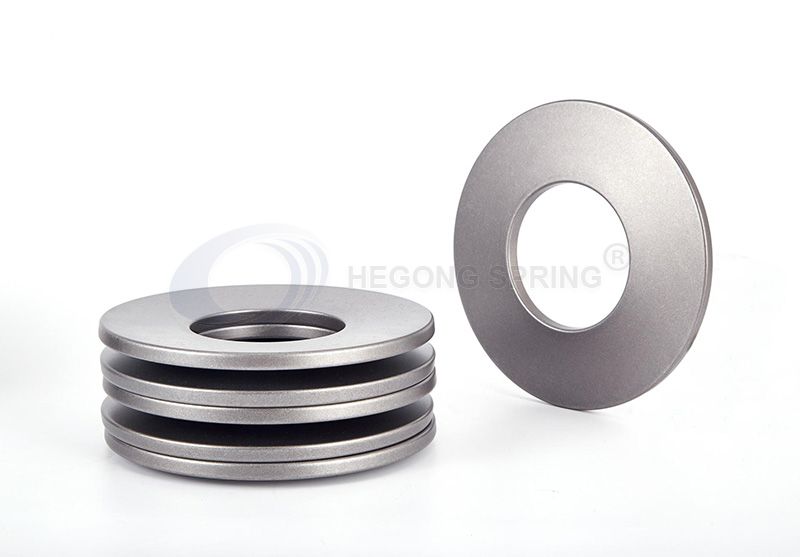
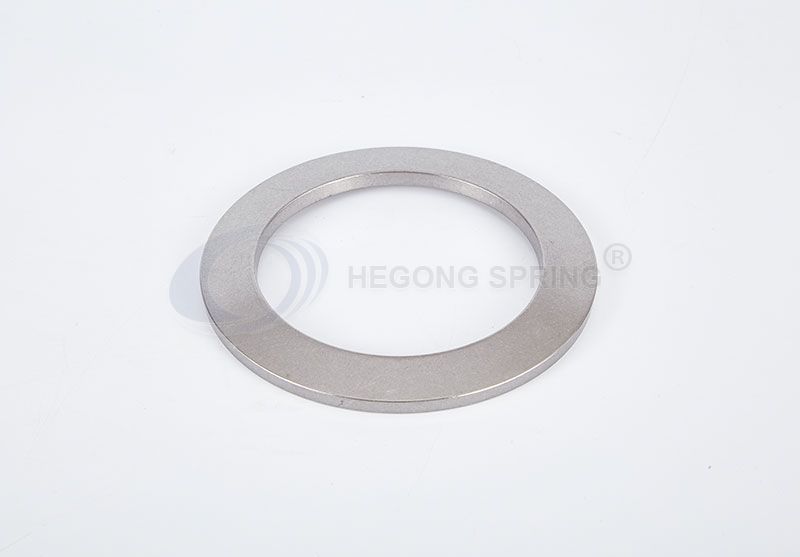
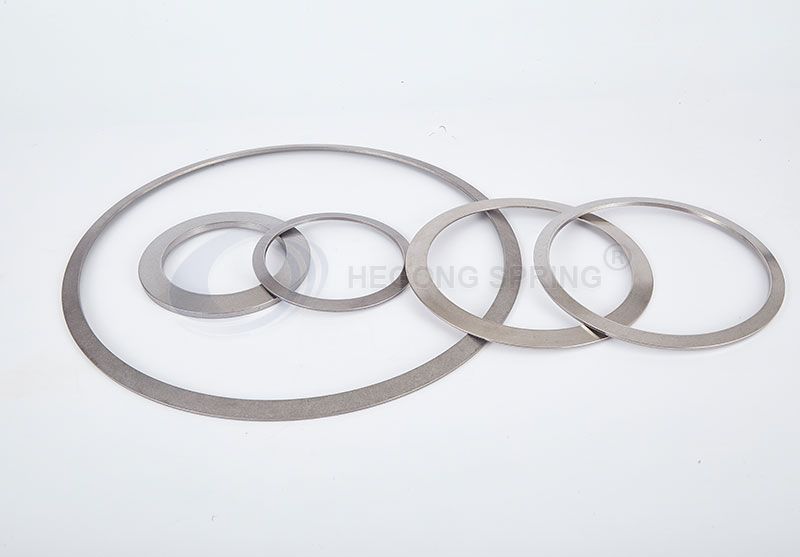
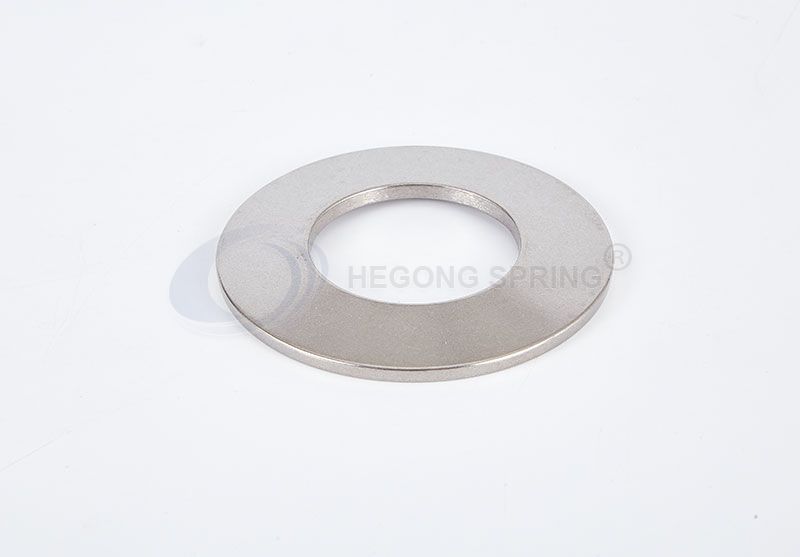
Disc spring stacks are increasingly popular in medical device actuators due to their ability to provide precise force and compact design. These components optimize performance while ensuring safety and reliability in various medical applications. The growing demand for efficient medical solutions has led manufacturers to consider disc springs as a key element in actuator design.
Using disc spring stacks in medical devices offers several distinct advantages:
Disc spring stacks can withstand significant loads and are ideal for applications requiring robust performance.
The design of disc springs allows for a smaller footprint compared to traditional coil springs.
Engineers can easily adjust the spring rate to meet specific application requirements.
Disc springs exhibit excellent fatigue resistance, leading to a longer operational life.
They provide uniform load over their operational range, ensuring predictable behavior in dynamic applications.
When designing actuators for medical devices using disc springs, several factors should be prioritized:
Choosing the right material influences spring performance. Stainless steel is commonly used for its durability.
Actuator size must accommodate the dimensions of disc springs without compromising functionality.
Consideration of sterilization processes and chemical exposure is critical for medical applications.
Calculate the maximum loads to ensure that the spring stack can perform reliably.
Ensure that all designs adhere to relevant medical device regulations and standards.
In a recent project, HEGONG SPRING collaborated with a leading medical device manufacturer to develop an actuator optimized with disc spring stacks. The project aimed to improve the responsiveness of a surgical device.
Increased actuator speed by 30%.
Reduced overall size by 25%.
Enhancement in reliability under repeated loads.

The following table compares traditional actuator technologies with those optimized using disc spring stacks:
| Feature | Traditional Actuator | Actuator with Disc Spring Stacks |
|---|---|---|
| Size | Larger traditional spring designs | Compact, space-efficient design |
| Load Capacity | Limited by coil spring design | Higher due to stacked configuration |
| Lifecycle | Moderate lifecycle due to wear | Extended lifecycle with fatigue resistance |
Innovations in disc springs for medical actuators are expected to focus on:
Increasing use of smart materials that can change properties in response to environmental conditions.
Advancements in manufacturing will enable tailored solutions for complex applications.
Future medical devices will likely incorporate IoT-based monitoring for smarter actuators.
In conclusion, disc spring stacks provide remarkable benefits in optimizing medical device actuators. Their compact design, high load capacity, and reliability make them a superior choice for medical applications. Utilizing advanced technologies in conjunction with HEGONG SPRING\'s expertise can lead to innovative solutions, ultimately enhancing patient care.