Table of Contents
1. Understanding Disc Spring Stacks
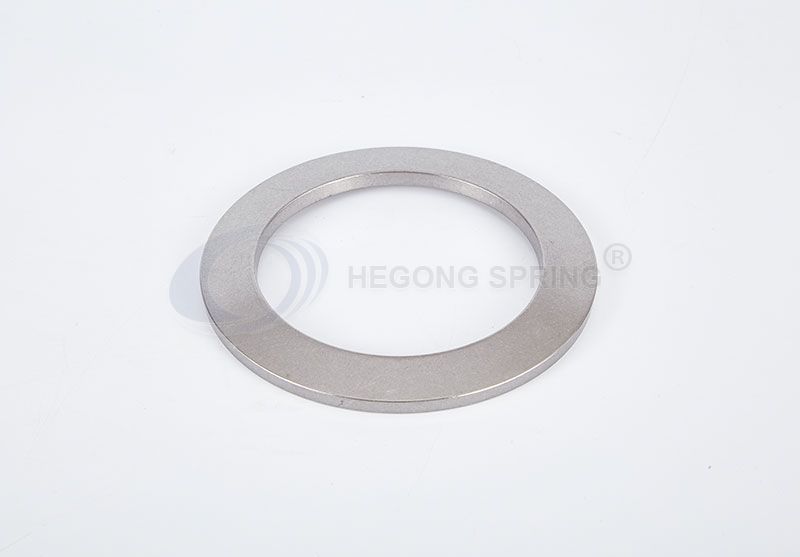
Disc springs, also known as belleville washers, represent a reliable and efficient solution for heavy-duty press brake applications. These springs have a unique design that allows for significant load-bearing capacity while maintaining compactness. The versatility of disc spring stacks makes them ideal for various industrial machinery applications, notably where space is limited and performance is critical.
2. Benefits of Using Disc Springs in Press Brakes
Utilizing disc springs in heavy-duty press brakes comes with numerous advantages, including:
High Load Capacity
Space Efficiency
Improved Durability
Cost-Effectiveness
Reduced Maintenance Needs
High Load Capacity
Disc springs can support substantial loads with relatively small size, making them an excellent choice for press brakes.
Space Efficiency
The radial design of disc springs allows for stacks to fit within tighter spaces while still providing robust support.
Improved Durability
The materials used in manufacturing HEGONG SPRING disc springs are selected for their toughness, ensuring longevity and minimal wear.
Cost-Effectiveness
Due to their longevity and reduced need for replacements, disc springs prove to be a cost-efficient choice for manufacturers.
Reduced Maintenance Needs
Disc spring stacks require significantly less maintenance than traditional spring methods, leading to lower operational costs.
3. Key Considerations for Selecting Disc Springs
When selecting disc springs for press brakes, it is essential to evaluate:
Load Requirements
Stack Height
Material Selection
Environmental Conditions
Spring Design
Load Requirements
Understanding the maximum load is crucial in determining the stack configuration and number of springs needed.
Stack Height
The operational height of your press brake will dictate the height of the disc spring stack required.
Material Selection
Choosing the correct material, whether stainless steel or carbon steel, affects the performance and longevity of the springs.
Environmental Conditions
Conditions like temperature and humidity can impact the performance of springs, making it critical to select materials accordingly.
Spring Design
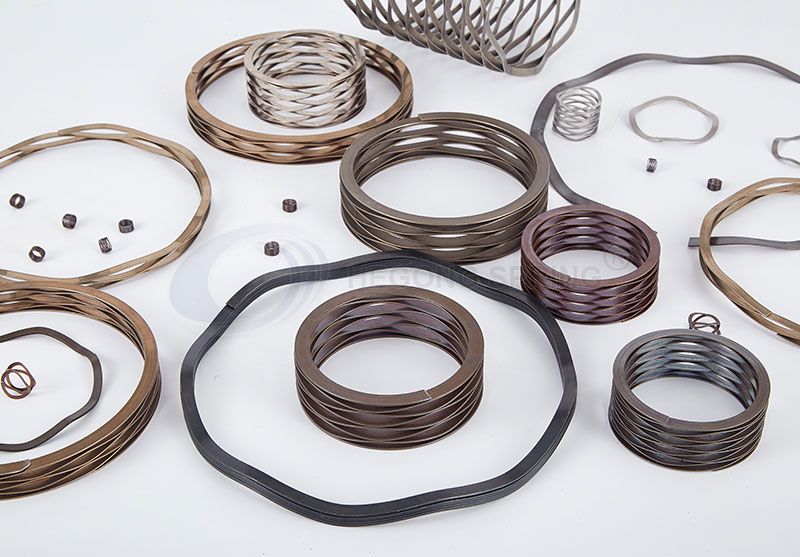
Disc spring design can vary significantly based on application; each design serves specific purposes and configuration.
4. Installation Best Practices
Proper installation of disc spring stacks is vital for optimal functionality. Follow these best practices:
Clean the Assembly Area
Align the Springs Correctly
Use Proper Tools
Follow Torque Spec Guidelines
Conduct Regular Inspections
Clean the Assembly Area
Ensure that the installation area is free from debris, which can cause complications during the installation process.
Align the Springs Correctly
Proper alignment of the springs in the stack is crucial to avoid uneven load distribution and potential failures.
Use Proper Tools
Utilizing the correct tools prevents damage to the springs during installation and ensures a secure fit.
Follow Torque Spec Guidelines
Adhere to recommended torque specifications to maintain the integrity of the spring stack installation.
Conduct Regular Inspections
Routine checks can identify wear or damage early, allowing for timely replacements and preventing larger issues.
5. Case Studies and Real-World Applications
Several industries effectively utilize disc spring stacks in their operations:
| Industry | Application | Results |
|---|---|---|
| Aerospace | Landing Gear Mechanisms | Improved weight efficiency |
| Automotive | Stamping Processes | Enhanced productivity |
| Construction | Heavy Machinery | Reduced downtime |
Success Story
A leading automotive manufacturer replaced their traditional coiled springs with HEGONG SPRING disc spring stacks and reported a 30% increase in production efficiency.
6. Conclusion
Incorporating disc spring stack solutions into heavy-duty press brakes presents several operational advantages, from higher load capacities to lower maintenance needs. Selecting the right disc springs for your specific application not only improves performance but can also lead to significant cost savings over time. Understanding your requirements and following best practices for installation will ensure you gain the most from these innovative spring solutions.