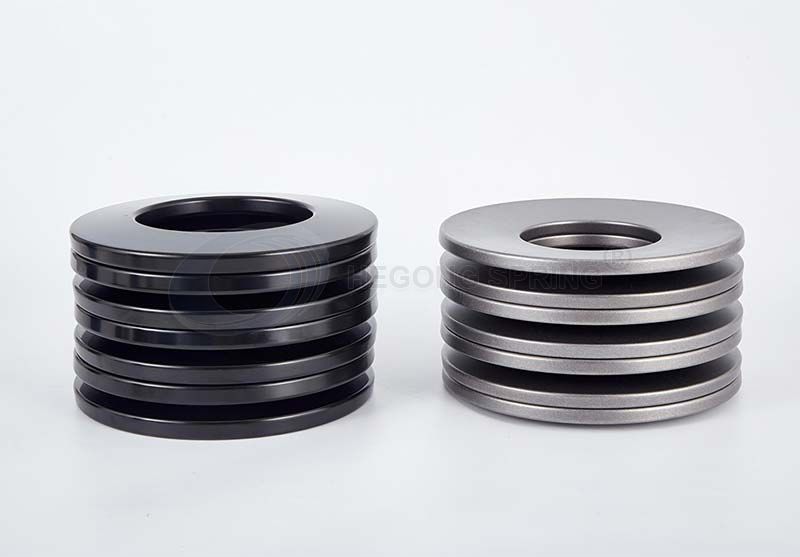
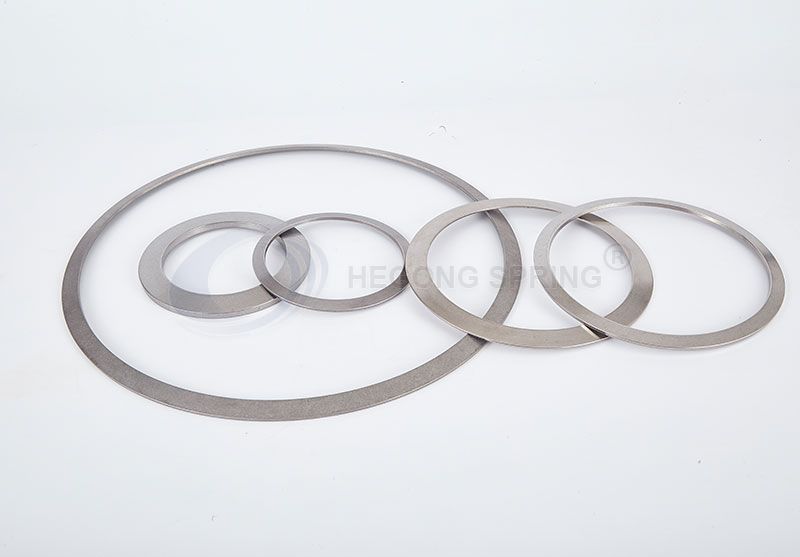
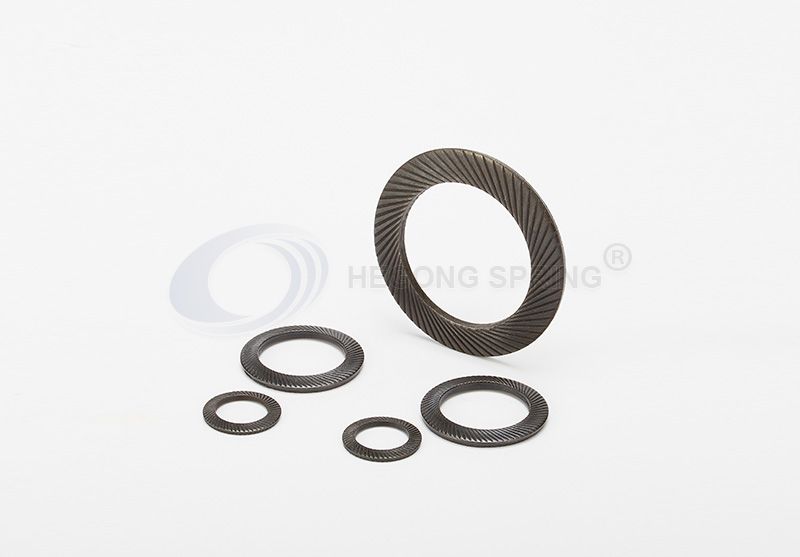
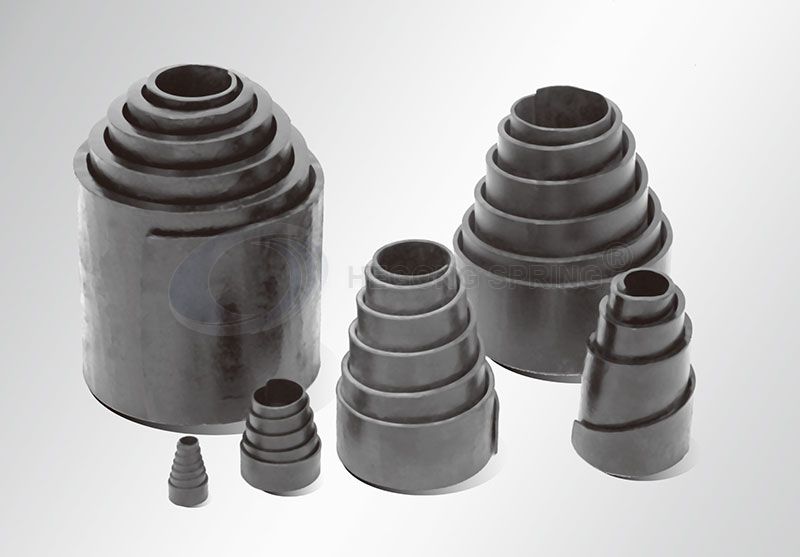
High-temperature applications often lead to challenges in performance. The disc spring stack is an essential component in many of these demanding situations. These springs are designed to maintain their strength and functionality even at elevated temperatures. Engineers often face issues like reduced spring force or loss of elasticity. Understanding the capabilities of these springs is crucial. Testing disc springs can help prevent failures. This article explores their performance in high-temperature applications.
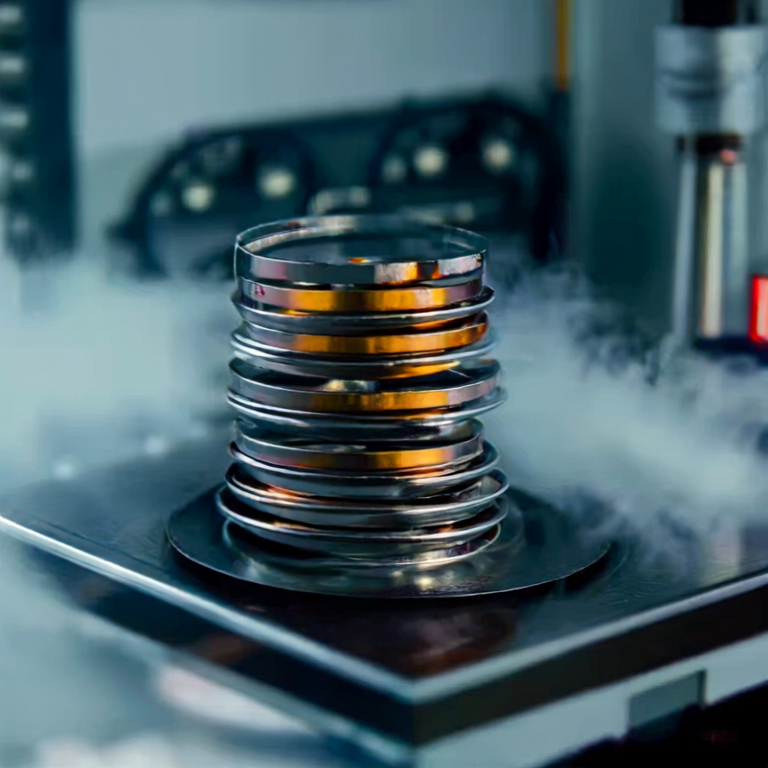
**Disc spring stacks perform reliably in high-temperature applications when designed and tested properly. They maintain strength and stability under heat, making them suitable for various industries.**
Disc springs are known for their high load capacity.
They have a unique shape that provides flexibility.
These springs can operate efficiently in extreme conditions.
Performance testing typically involves thermal cycling.
Tests measure spring fatigue as temperatures rise.
Various materials are used to enhance performance.
Aerospace components require reliable springs.
Automotive industries rely on disc springs in engines.
Industrial machinery uses them in high-stress environments.
| Material Type | Maximum Temp (°C) | Load Capacity (N) |
|---|---|---|
| Stainless Steel | 300 | 15000 |
| Carbon Steel | 250 | 10000 |
| Titanium Alloy | 400 | 22000 |
HEGONG SPRING offers high-temperature resistance.
Their products are tested for reliability and performance.
Users benefit from advanced engineering and robust designs.
In high-temperature applications, the disc spring stack proves its worth through extensive performance testing. These springs deliver high reliability, making them vital components across various industries. By understanding their capabilities, engineers can enhance performance and avoid failures. Investing in quality products, like those from HEGONG SPRING, ensures durability and efficiency.
What is a disc spring stack?
A disc spring stack is a series of disc springs arranged to provide increased load capacity and stability.
How do high temperatures affect disc springs?
High temperatures can reduce the elasticity of disc springs, but with the right materials, they can still perform effectively.
Where are disc springs commonly used?
They are used in automotive, aerospace, and industrial machinery, among other fields.
What materials are best for high-temperature applications?
Stainless steel and titanium alloys are commonly used for their durability in extreme conditions.