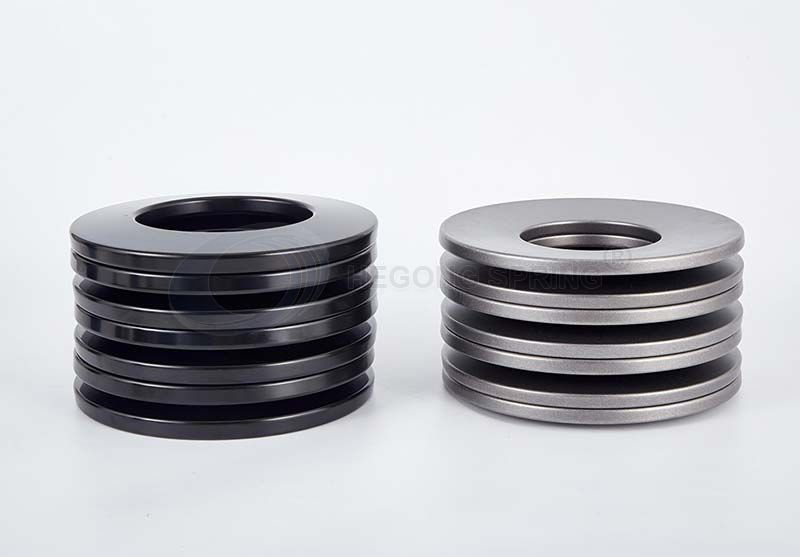
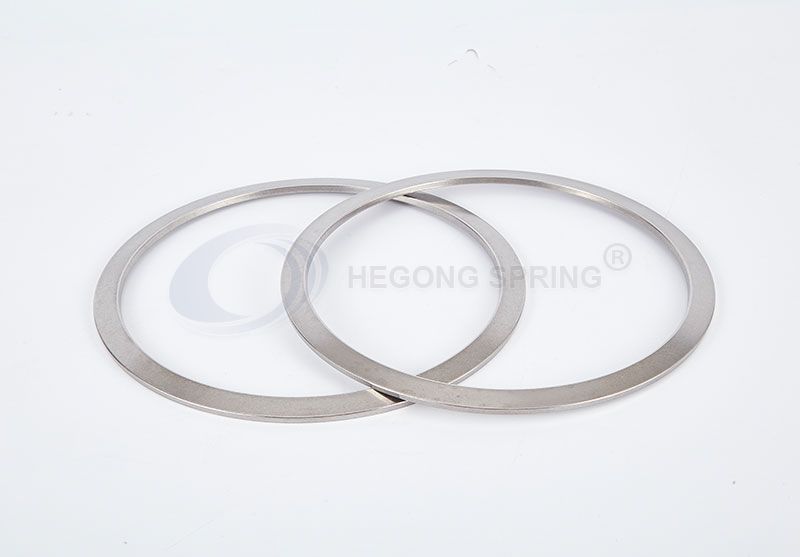
In the railway industry, shock impact is a crucial challenge that affects both the safety and performance of train systems. Reducing shock impact in railway components is essential for ensuring reliability and enhancing passenger comfort. Stacked disc springs are gaining recognition as an effective solution to mitigate these shock impacts significantly. These components not only provide flexibility but also a tailored response to dynamic loads encountered during operation. Implementing stacked disc springs in railway engineering can result in substantial improvements in operational efficiency and safety.
Understanding the importance of reducing shock impact in railway systems involves several factors:
**Safety**: Lower shock impact minimizes the risk of derailments and mechanical failures.
**Comfort**: Improved shock absorption leads to a smoother ride for passengers.
**Maintenance Costs**: Reduced impact results in lower wear and tear on railway components, decreasing long-term maintenance costs.
**Operational Efficiency**: Enhanced shock absorption supports better performance and longevity of railway systems.
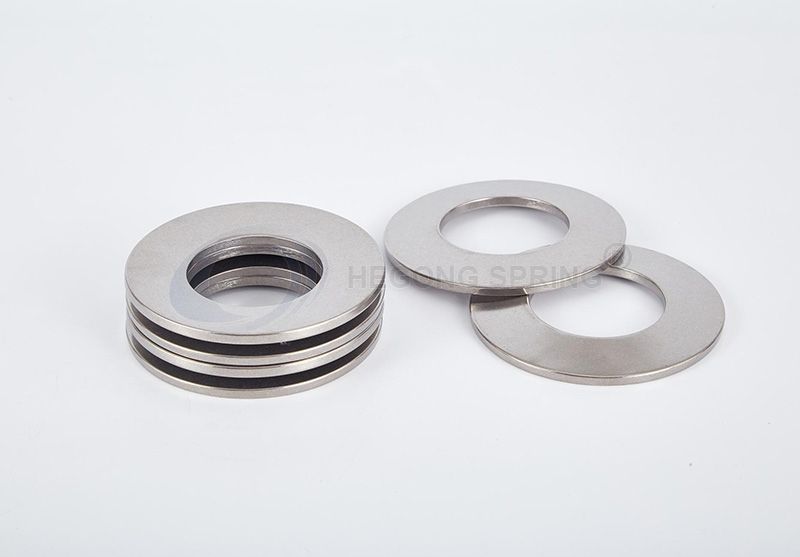
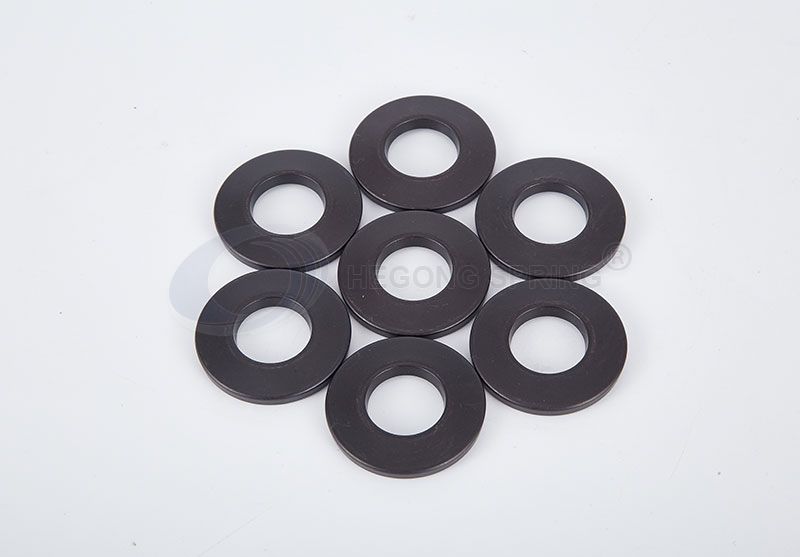
Disc springs, or Belleville springs, are conical components that can store energy and absorb shock. Their design and characteristics allow for:
**Variable Load Capacity**: The ability to handle varying loads efficiently.
**Compact Design**: Space-saving properties that allow for easy integration into existing systems.
Disc springs are available in various types such as:
**Single disc springs**: Basic form for light loads.
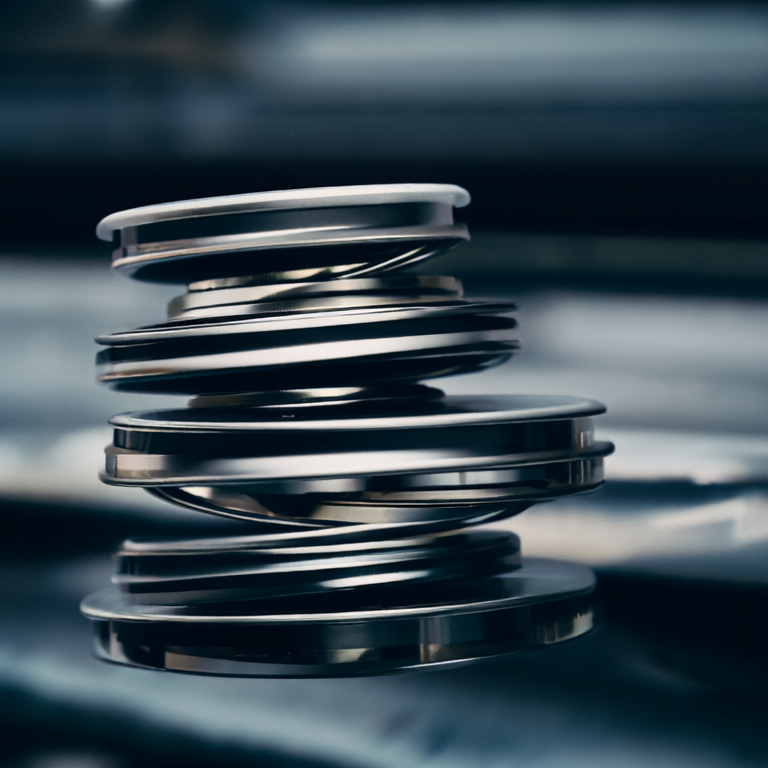
**Stacked disc springs**: Multiple discs combined to enhance shock absorption.
Utilizing stacked disc springs in railway applications comes with numerous advantages:
**Enhanced Shock Absorption**: Optimized layered design provides superior load distribution.
**Customizability**: Stacks can be tailored to specific load requirements, improving performance.
**Durability**: Long-lasting materials capable of enduring harsh environmental conditions.
Studies show that stacked disc springs can increase shock absorption effectiveness by up to 50% compared to traditional systems.
There are various techniques to enhance shock absorption in railway applications:
**Isolation Systems**: Use of vibration isolation mounts along with stacked disc springs.
**Combined Materials**: Integration with elastomers for improved damping.
| Technique | Effectiveness | Cost |
|---|---|---|
| Stacked Disc Springs | High | Moderate |
| Isolation Systems | Moderate | High |
| Combined Materials | High | High |
Several railway companies have successfully integrated stacked disc springs:
**Company A**: Implemented a stacking design that improved shock resistance, reducing lifecycle costs by 30%.
**Company B**: Enhanced passenger safety through strategic placement of disc springs, leading to a notable decrease in complaints regarding rides.
The future of shock impact mitigation in railways looks promising with:
**Innovative Materials**: Research into new materials that further enhance durability and shock absorption.
**Smart Technology**: Integration of sensors to monitor and adjust the performance of stacked disc springs in real-time.
Reducing shock impact in railway components using stacked disc springs presents a viable solution to improve safety, comfort, and efficiency. As railway systems continue to evolve, the adoption and advancement of these technologies will play a vital role in the industry\'s future. Collaboration with manufacturers like HEGONG SPRING can facilitate these improvements, allowing for tailored solutions that meet the unique demands of railway systems worldwide. With continuous research and implementation, the railway sector can achieve an unprecedented level of performance and safety.