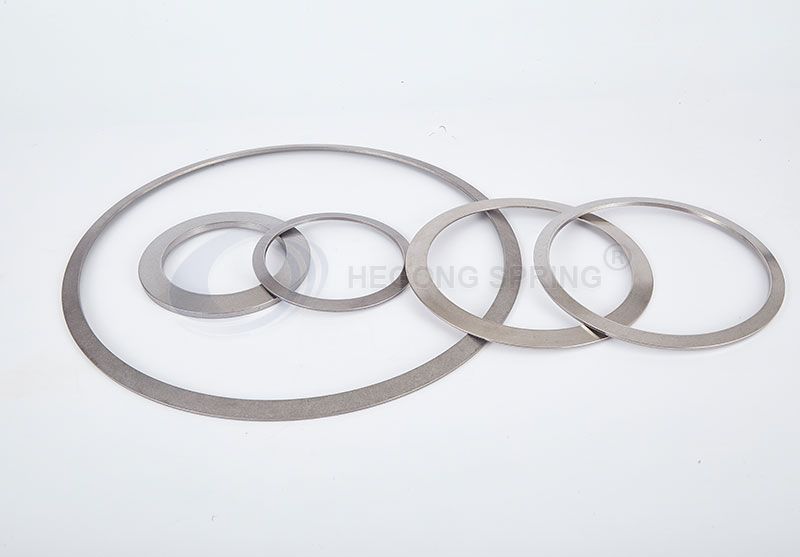
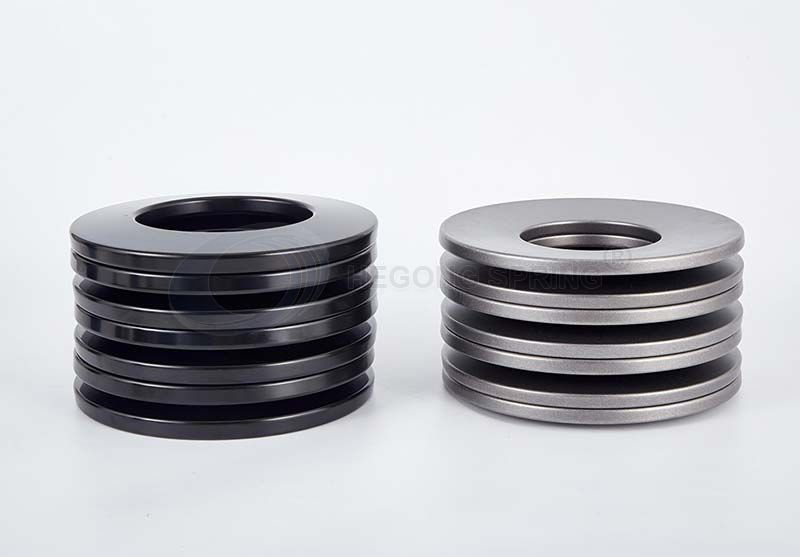
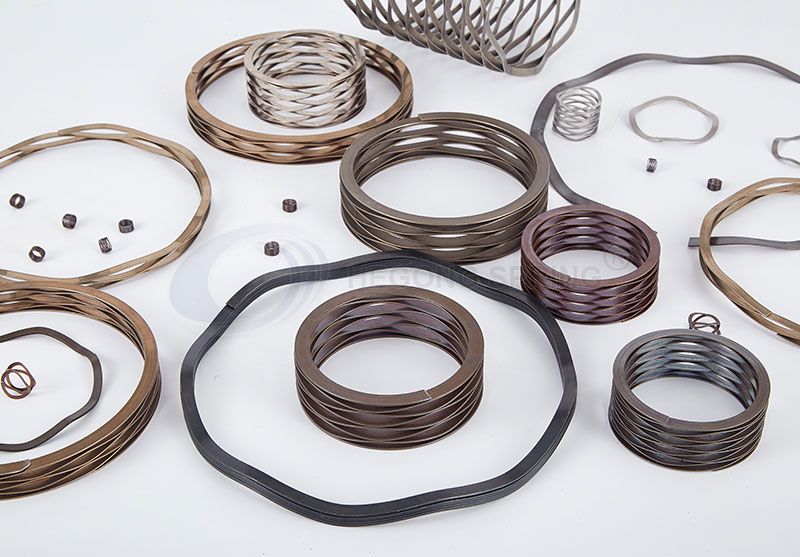
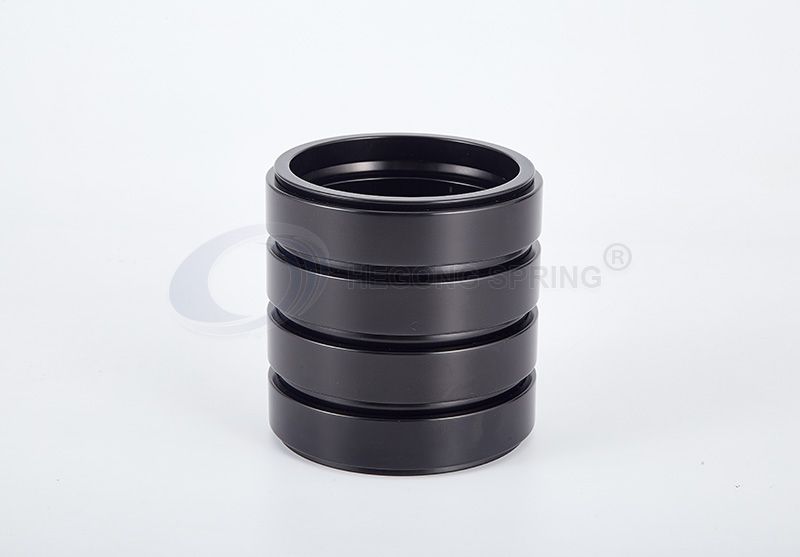
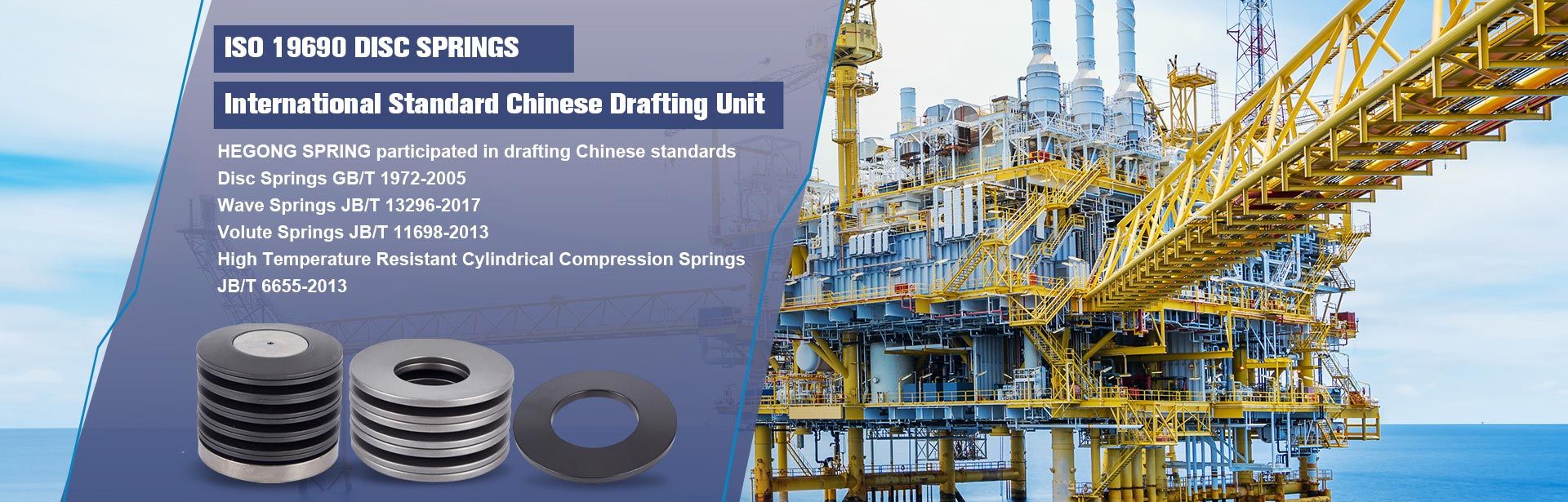
In recent years, heavy press machines have undergone significant changes to improve their performance and efficiency. Central to this evolution are disc spring stacks, which provide superior force and flexibility compared to traditional springs. As manufacturers seek ways to enhance machinery functionality, disc springs have emerged as a popular solution. Their unique design offers remarkable benefits, particularly in terms of spring rates, endurance, and the ability to manage heavy loads efficiently.
Disc spring stacks play a critical role in improving the performance of heavy press machines by providing a compact and effective means of energy storage. Understanding their importance involves recognizing three fundamental aspects:
First, they enable high-load capabilities without compromising on space. Second, they are specifically engineered to handle cyclical loading, ensuring a longer lifespan. Lastly, the innovative architecture of disc springs promotes efficient energy transfer, which is crucial for optimizing machine operations.
Disc spring stacks are designed to maximize energy efficiency. Their configuration allows for effective energy absorption while minimizing waste. This is essential for industries that rely on precision machinery.
A compact nature means that disc springs require significantly less space than traditional spring systems. This reduction allows for more efficient machine layouts and reduced overall machine footprints.
These springs are more durable due to their material composition and design. By better resisting fatigue under stress, they are ideal for heavy machinery that operates under harsh conditions.
While the initial investment might be higher, the long-term savings are substantial. Reduced maintenance costs and longer replacement intervals for disc springs yield significant cost benefits over time.
Disc spring stacks are utilized across various industries, including automotive, aerospace, and manufacturing. Their versatility allows them to function in diverse applications such as:
Pressing machines in manufacturing lines
Clutch assemblies in automotive transmissions
Shaker tables in material handling equipment
Each application capitalizes on the superior load management and enhanced efficiency provided by disc spring stacks, leading to better overall performance.
The following table summarizes the key differences between disc spring stacks and traditional spring solutions:
| Feature | Disc Spring Stacks | Traditional Springs |
|---|---|---|
| Space Efficiency | High | Low |
| Load Capacity | Superior | Standard |
| Durability | Excellent | Moderate |
| Maintenance | Low | High |
This comparison illustrates that while traditional springs serve their purpose, disc spring stacks offer significant advantages that can greatly improve machine operation.
The transformation of heavy press machines through the integration of disc spring stacks represents a significant advancement in machinery design and performance. By prioritizing efficiency, durability, and cost-effectiveness, industries stand to gain immensely from adopting this technology. Ultimately, the decision to implement disc spring stacks could lead to improved operations, reduced wear and tear, and elevated productivity levels across various sectors.
For those looking to invest in modern solutions, 2. Importance of Disc Spring Stacks in Heavy Press Machines0 offers high-quality disc spring stacks tailored for heavy press machinery.