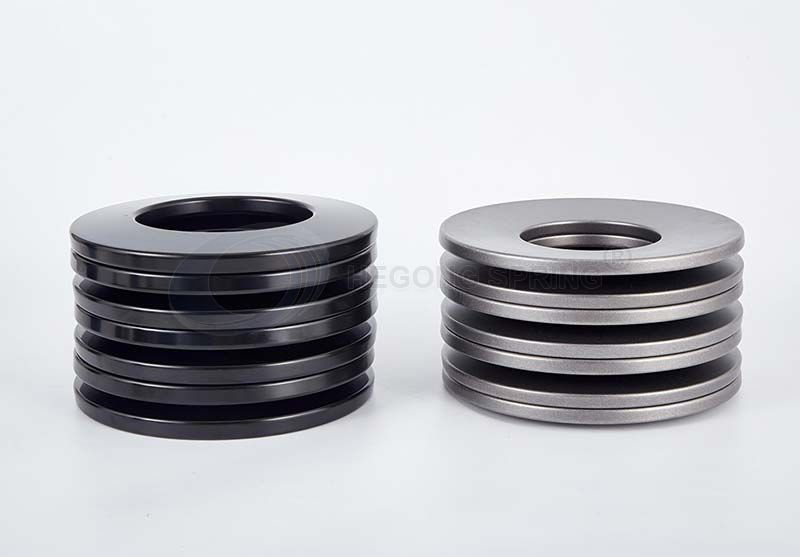
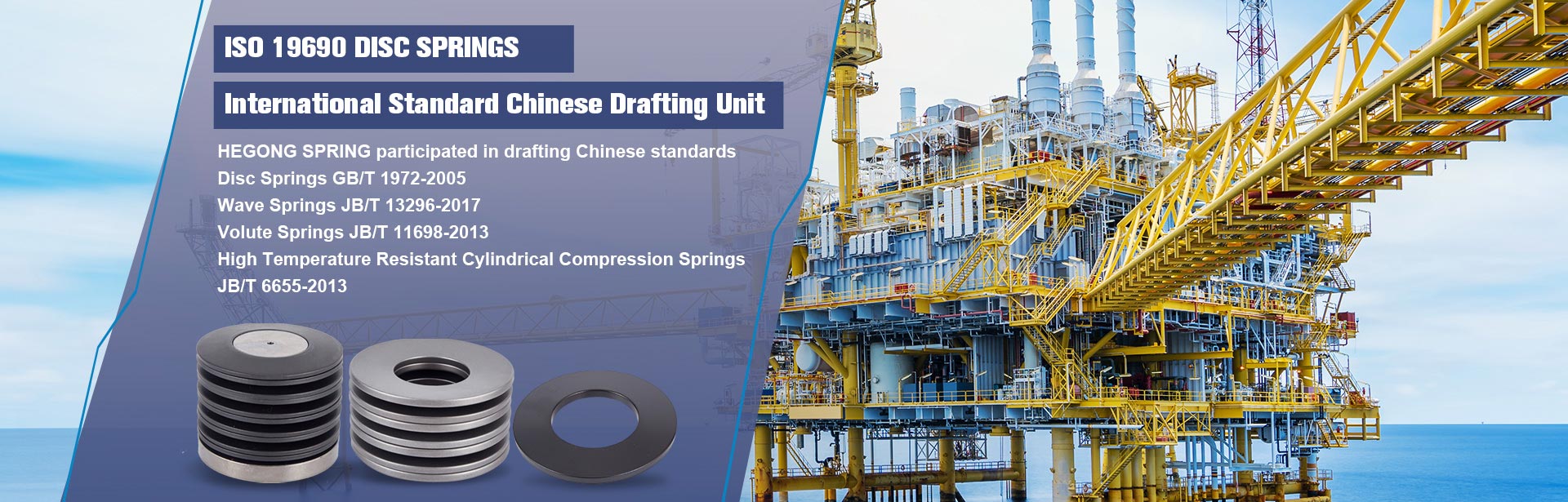
In the world of manufacturing, ensuring the durability and performance of products is crucial. Recent testing on disc spring stack designs has uncovered significant enhancements in fatigue resistance. This advancement holds promise for various applications across industries. The test results indicate that these stacks can withstand greater loads over extended periods, a vital consideration for buyers and distributors. Through rigorous analysis, we can observe how these improvements can lead to longer product lifespans and enhanced reliability.
Fatigue resistance refers to a material\'s ability to endure repeated loading and unloading cycles without failure. This characteristic is crucial for components subjected to dynamic loads, such as disc springs.
Fatigue resistance contributes directly to:
Effective fatigue testing methodologies include:
This flow chart outlines our testing procedure:
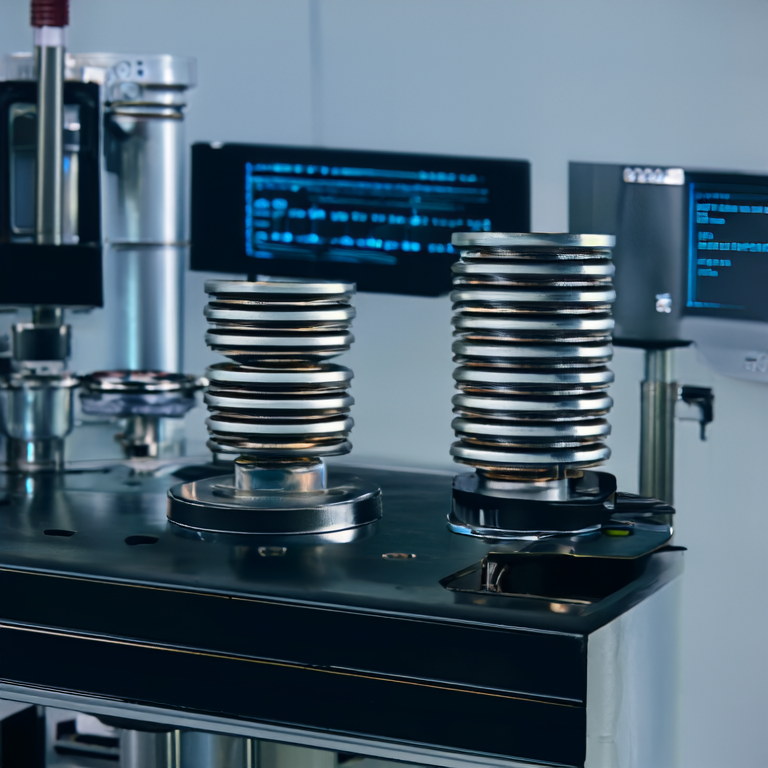
Testing results indicate a marked improvement in fatigue resistance compared to traditional designs. The following table summarizes the findings:
| Design Type | Average Fatigue Life (Cycles) | Improvement Percentage |
|---|---|---|
| Standard Disc Springs | 30,000 | - |
| Enhanced Disc Spring Stacks | 75,000 | 150% |
The enhanced disc springs have demonstrated a significant increase in average cycles before failure, highlighting the effectiveness of the new testing protocols.
The advancements in disc spring stack technology provide numerous benefits across various sectors:
In the automotive sector, testing has shown that fatigue resistance directly contributes to vehicle safety and performance, which can lead to lower warranty costs and improved customer satisfaction.
The ongoing testing of disc spring stacks has yielded invaluable insights into their fatigue resistance capabilities. Manufacturers and distributors, such as HEGONG SPRING, can leverage this data to enhance their product offerings, leading to greater customer trust and loyalty. By investing in advanced testing methods and innovations, the industry can continue to improve the performance and reliability of spring components, setting a benchmark for quality and safety.