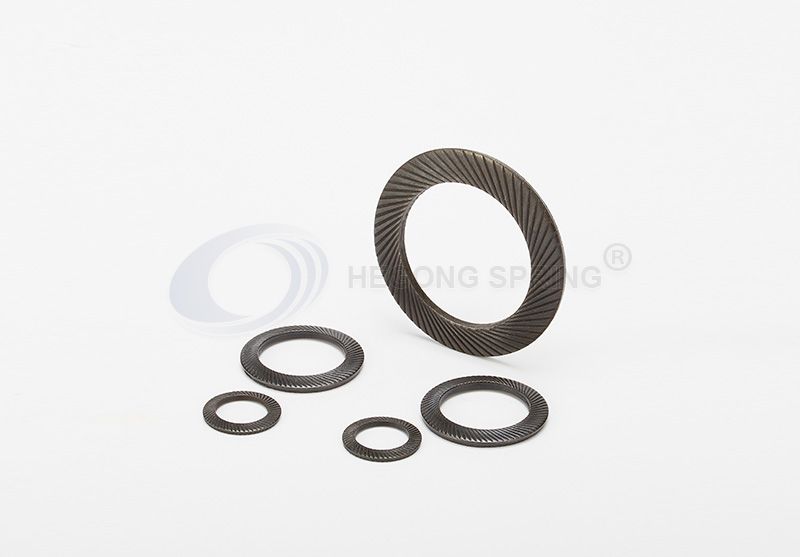
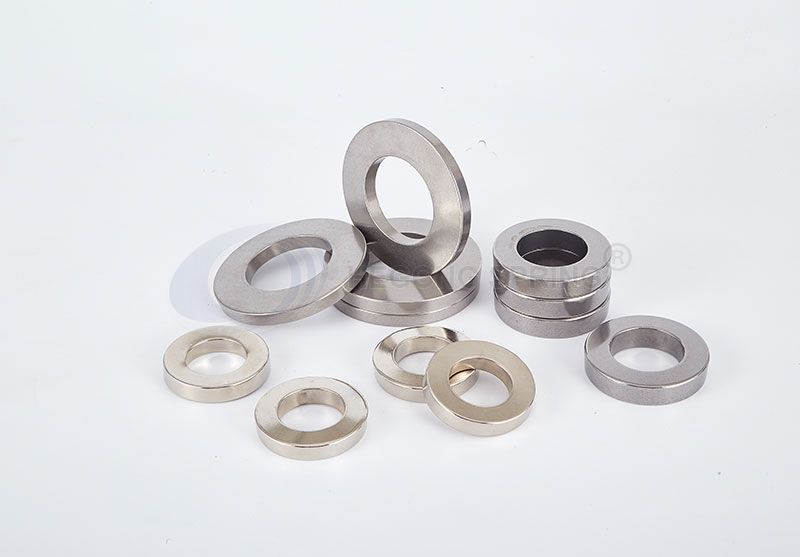
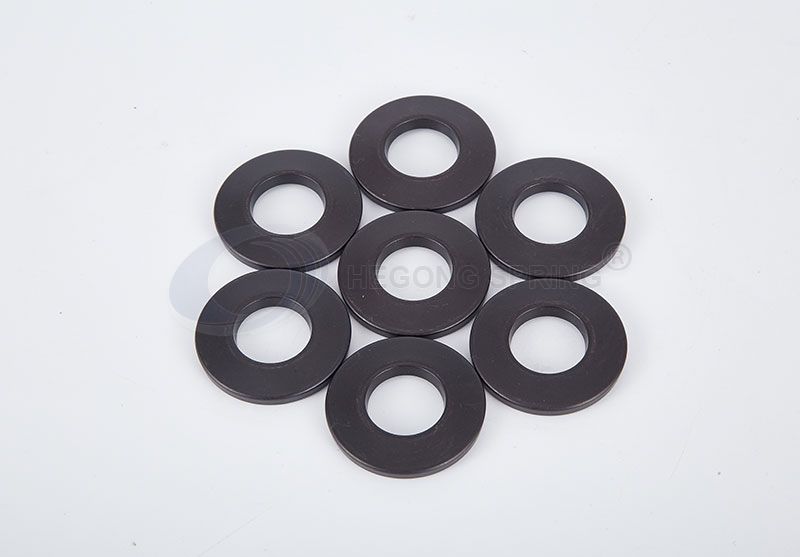
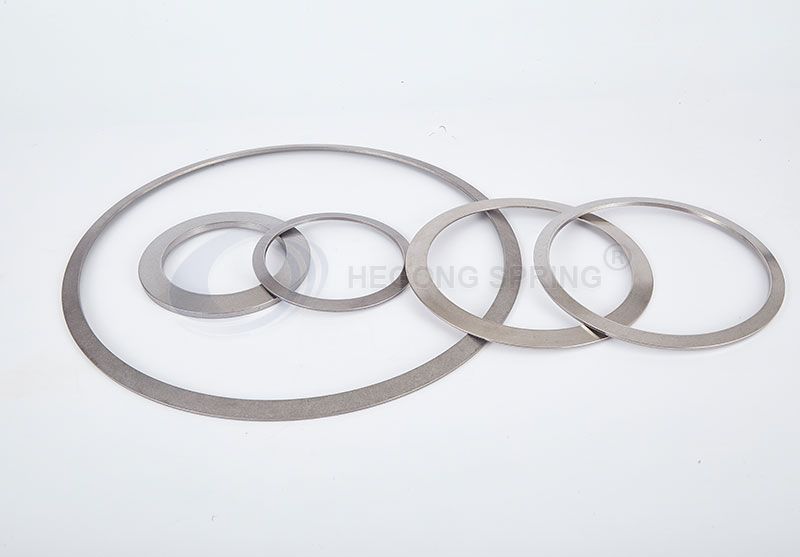
Disc spring stacks play a crucial role in enhancing the efficiency and performance of custom robotics projects. By incorporating dynamic load capabilities, flexibility, and reduced weight, disc springs offer several advantages. In this article, we will explore comprehensive solutions using disc spring stacks tailored for robotics applications, outlining key benefits and considerations for design integration.
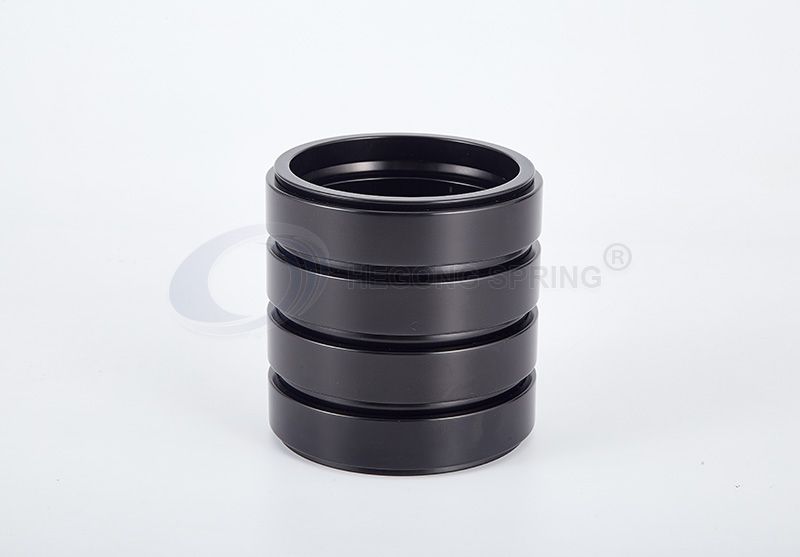
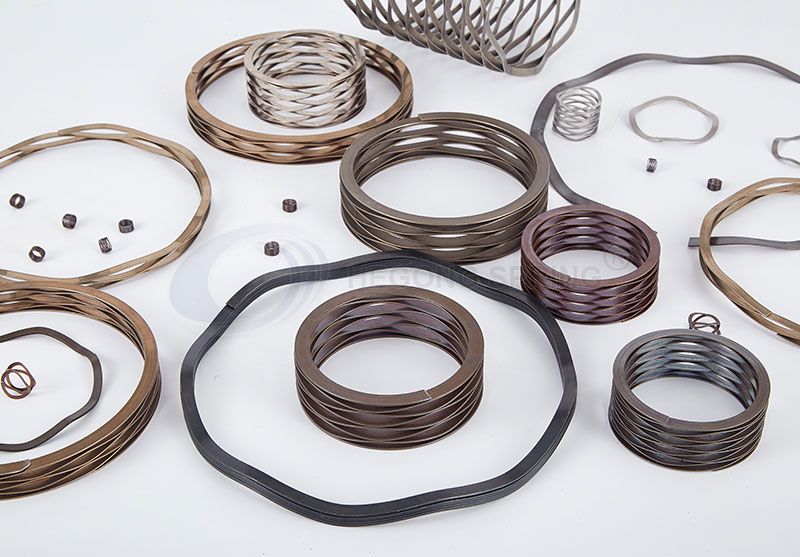
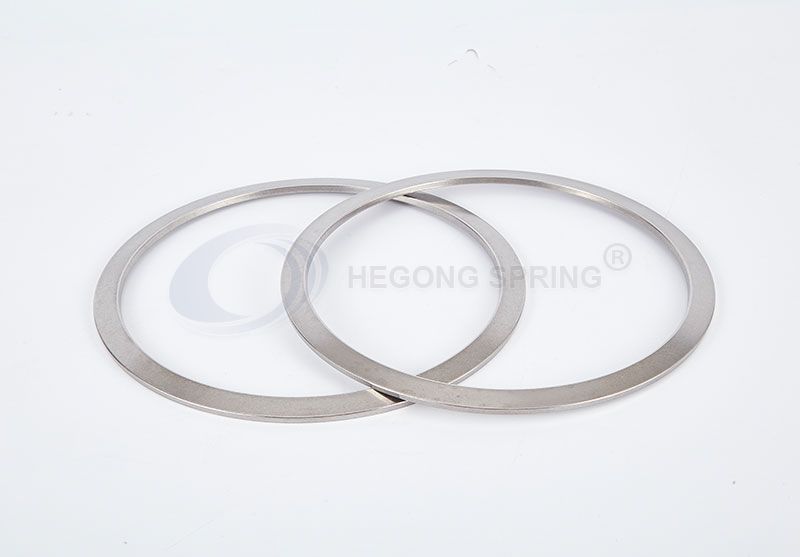
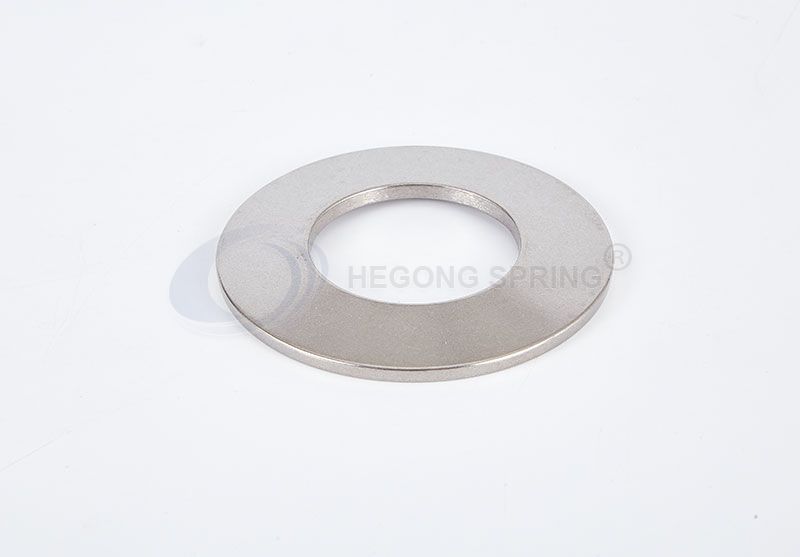
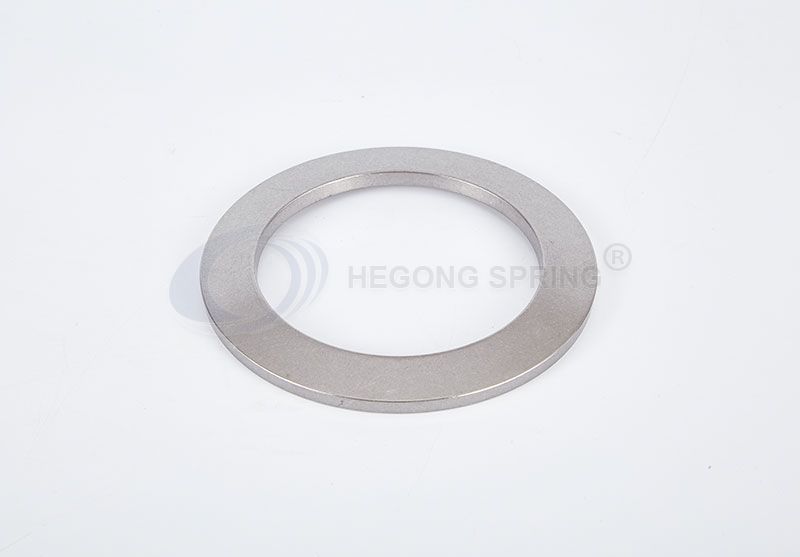
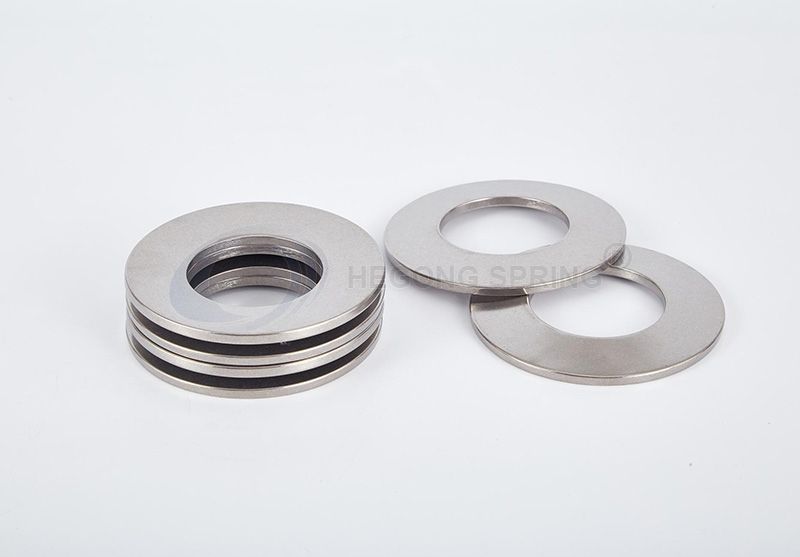
Disc springs, also known as Belleville springs, provide superior support and energy storage solutions. They can be used in stack formations to optimize space and enhance performance. Here are the primary characteristics:
High Load Capacity: Disc springs can endure significant compressive forces.
Compact Size: They require minimal installation space compared to traditional spring systems.
Custom Design: Springs can be customized in thickness and diameter to meet project specifications.
Disc springs are designed to withstand fatigue and wear, making them ideal for high-cycle applications in robotics.
Custom robotics projects demand tailored solutions to accommodate unique operational requirements. Robotics applications can range from industrial automation to precision medical devices. Each project presents specific challenges that need to be addressed.
Industrial and manufacturing robots.
Medical robotic devices.
Robotic arms for assembly lines.
Robotics engineers frequently face several pain points in their projects, including:
Weight Constraints: Heavy components can hinder mobility and efficiency.
Space Limitations: Compact designs are essential for robotics.
Performance Reliability: It is vital that components perform consistently.
Utilizing disc spring stacks can alleviate these concerns by reducing weight and occupying less space without compromising performance.
Implementing disc spring stacks in custom robotics projects presents several strategic benefits:
Energy Efficiency: They store energy effectively, contributing to smoother robotics motions.
Enhanced Flexibility: Stacked configurations allow for versatile use in various applications.
Customizability: Tailor spring characteristics to align with specific mechanical requirements.
| Benefit | Traditional Springs | Disc Spring Stacks |
|---|---|---|
| Weight | Heavy | Lightweight |
| Installation Space | Large | Compact |
| Energy Storage | Limited | High |
When integrating disc springs into robotics projects, consider the following design aspects:
Spring Configuration: Determine the optimal stacking configuration for load requirements.
Material Selection: Choose materials that provide the desired strength and durability.
Compliance Testing: Conduct tests to ensure spring performance under expected loads.
To ensure effective design and integration, follow this structured process:
Define project requirements
Select materials and spring specifications
Test for compliance and performance
Implement in robotics system
Several successful applications of disc springs in robotics demonstrate their effectiveness:
Medical Robotics: A robotic surgical system utilized disc springs for precise movements, enhancing surgical reliability.
Robotic Arm: In an industrial setting, a robotic arm employed disc spring stacks to achieve better load distribution and increased efficiency.
In a recent study, using disc spring stacks improved efficiency by over 30% in dynamic load applications compared to traditional springs.
In conclusion, integrating disc spring stack solutions into custom robotics projects presents significant advantages in terms of efficiency, flexibility, and performance. By addressing typical pain points faced by engineers, these innovative components can redefine operational capabilities in robotic systems. Investing in quality disc springs, like those from HEGONG SPRING, ensures robust solutions tailored for specific project needs.