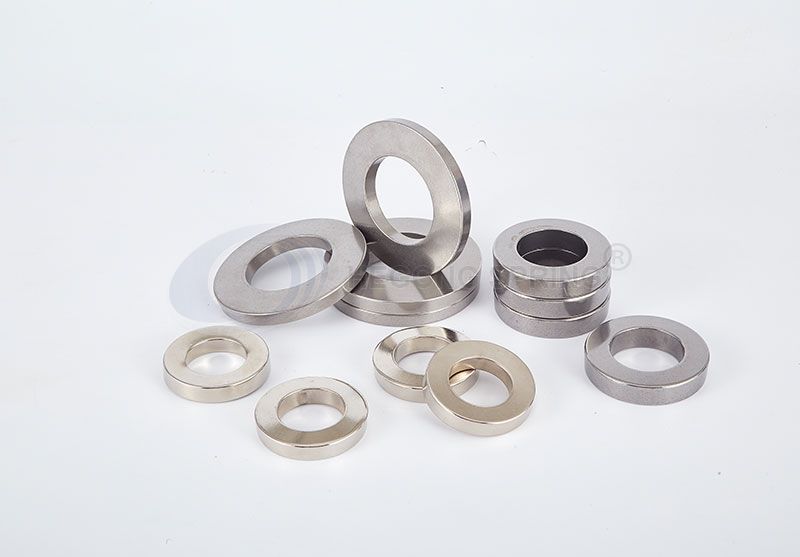
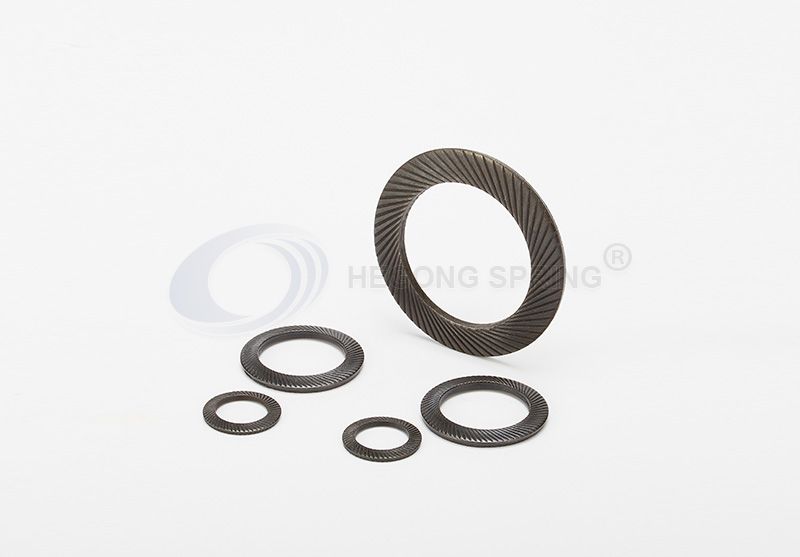
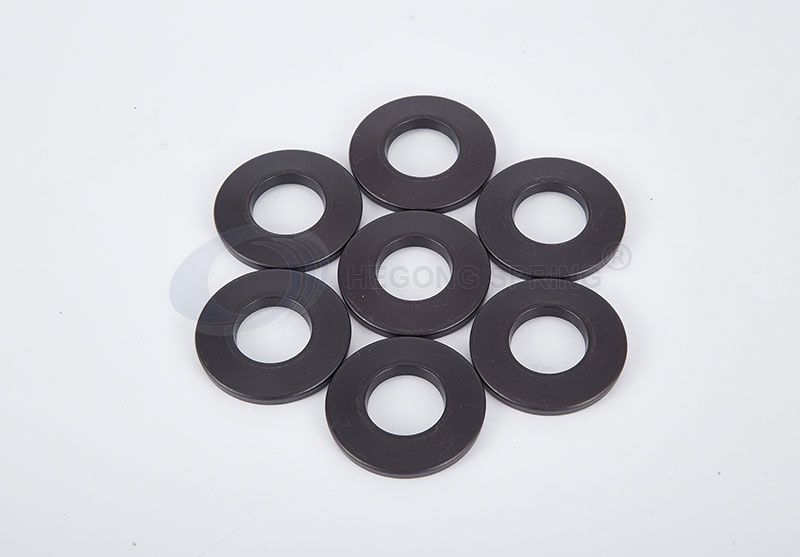
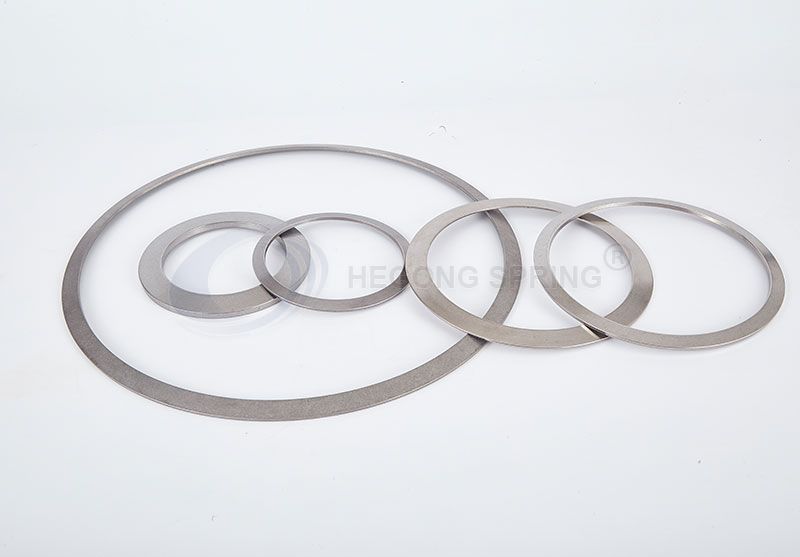
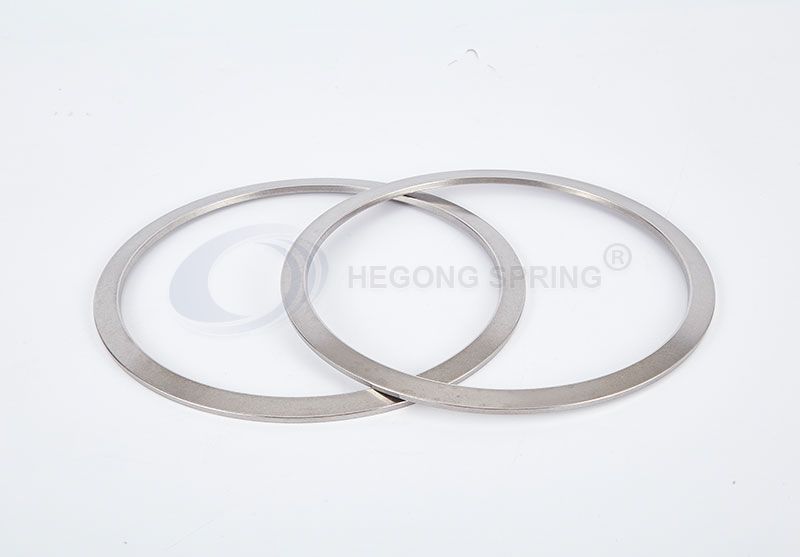
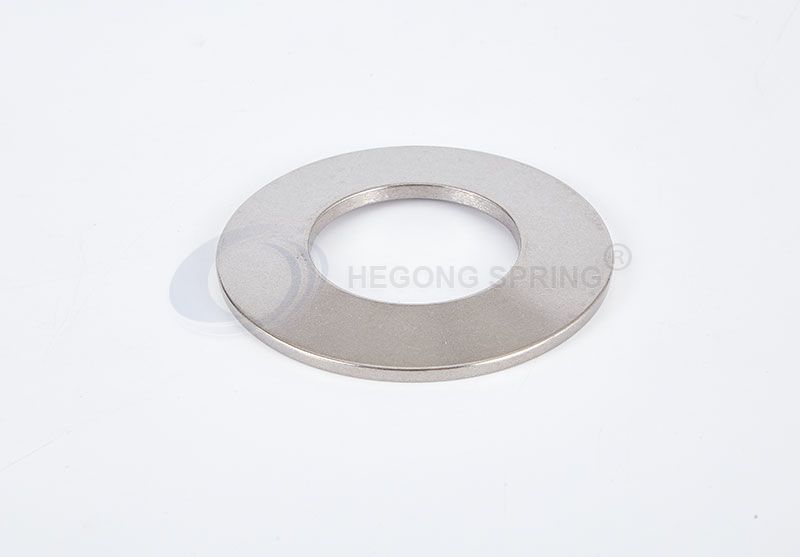
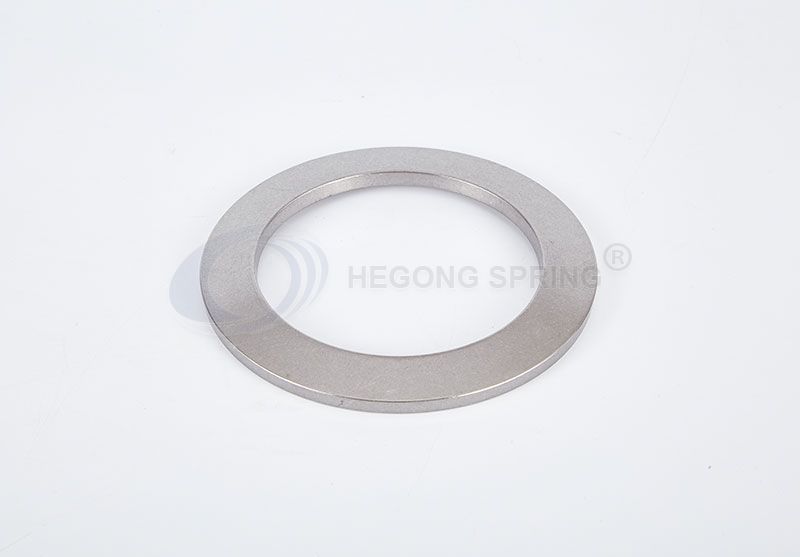
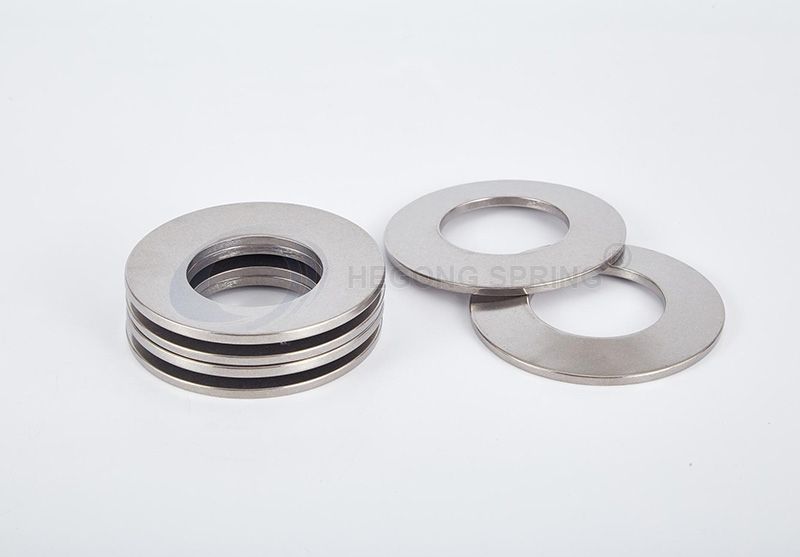
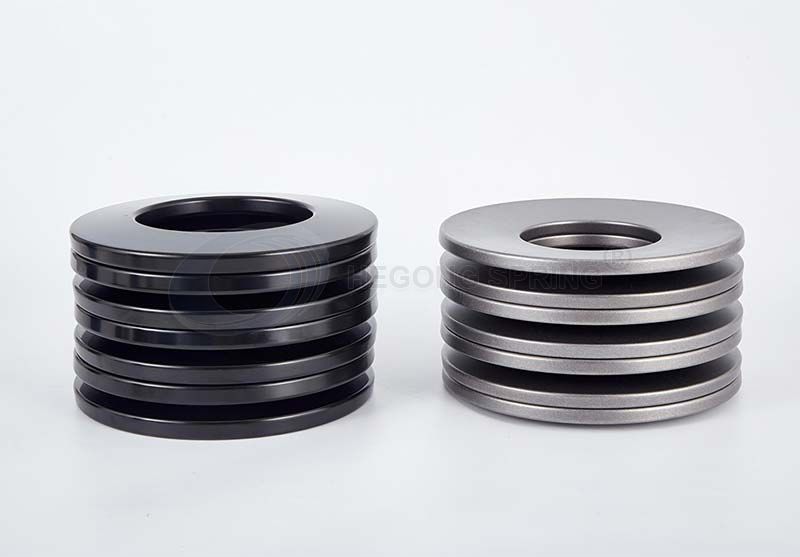
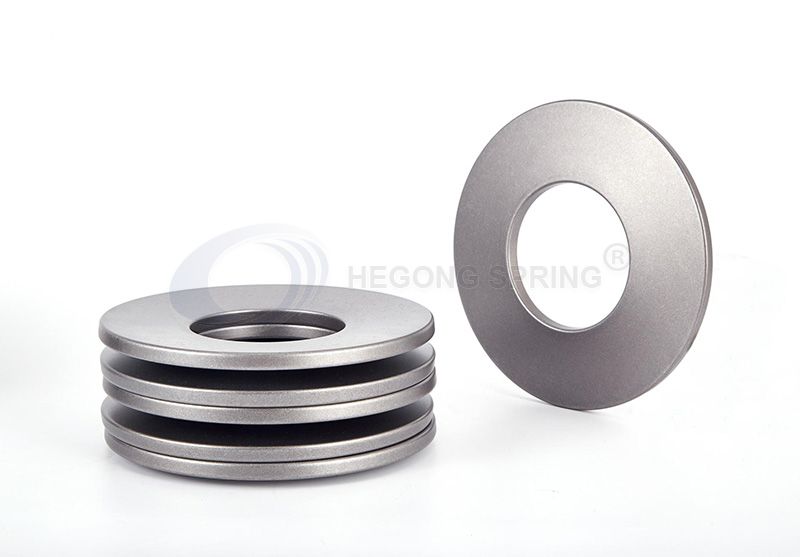
In the competitive landscape of modern manufacturing, reducing maintenance costs while maximizing efficiency is a primary concern for factory managers. Disc spring stacks represent an innovative solution that significantly lowers operation expenses and minimizes downtime. By understanding the crucial benefits of these specialized springs—such as durability, space efficiency, and load-bearing capacity—manufacturers can make informed decisions to optimize their production lines.
One of the major advantages of adopting disc spring stacks is the reduction in maintenance frequency. Traditional leaf springs can require frequent inspections and replacements, leading to significant costs over time. Disc springs, on the other hand, have a longer lifespan, which translates into less frequent maintenance.
Disc spring innovations contribute to overall system efficiency. This means not only lower replacement costs but also enhanced operational throughput. Increased efficiency translates directly into higher productivity, compensating for initial investment costs over time.
Investing in disc springs leads to long-term financial benefits. With a reduced need for replacements and maintenance, factories can reallocate their resources to other critical areas.
HEGONG SPRING implemented innovative disc spring stacks in a medium-sized automotive parts manufacturing facility.
Prior to installation, the company faced excessive downtime due to frequent maintenance on traditional spring systems.
Post-implementation, the factory reported a 35% reduction in overall maintenance costs and a 25% increase in production efficiency.
| Feature | Conventional Spring Design | Disc Spring Stack Design |
|---|---|---|
| Lifespan | 5-7 years | 10-20 years |
| Maintenance Frequency | Quarterly | Yearly |
| Space Requirement | High | Low |
| Cost of Maintenance | High | Low |
With the rise of smart factories, the integration of IoT with disc spring technology is on the horizon. Real-time monitoring systems will optimize their use, ensuring that maintenance schedules align perfectly with actual wear and tear.
Future innovations are set to embrace advanced materials, improving the properties of disc springs, such as their fatigue resistance and load capacity.
Manufacturers are increasingly focusing on sustainable practices. Innovative disc springs can significantly lower energy usage in machinery, aligning with global sustainability goals.