Belleville Washers for Electrical Connections
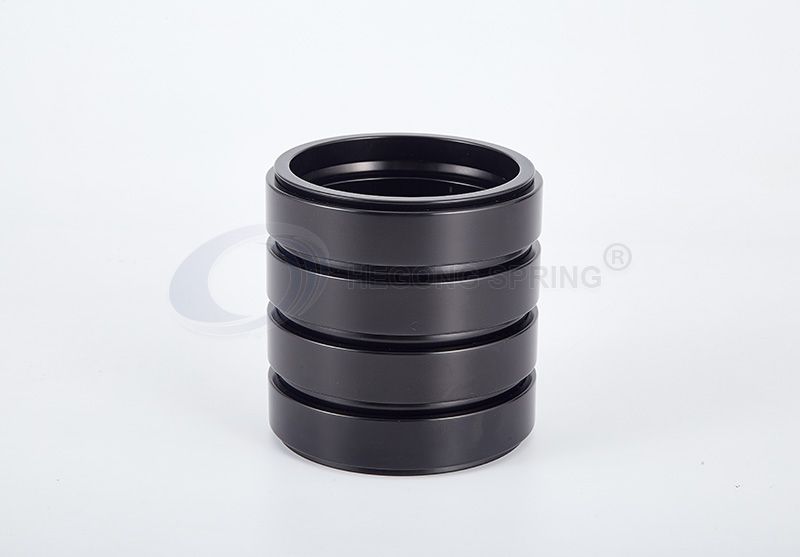
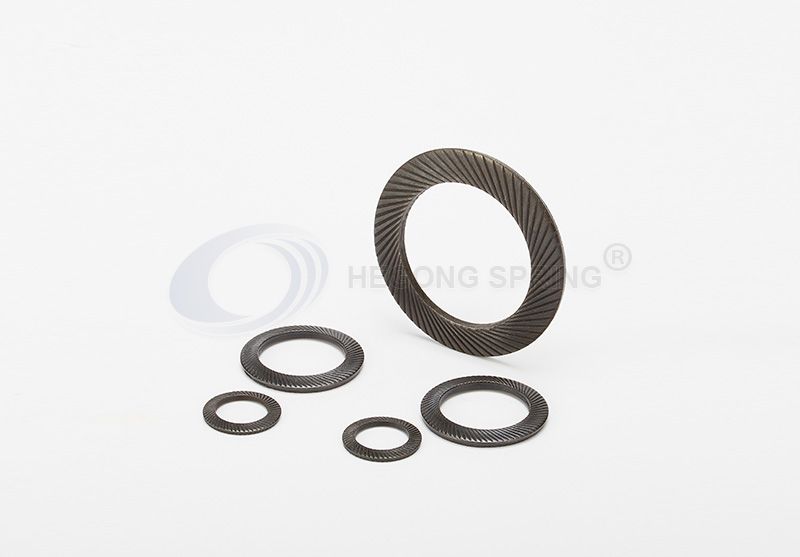
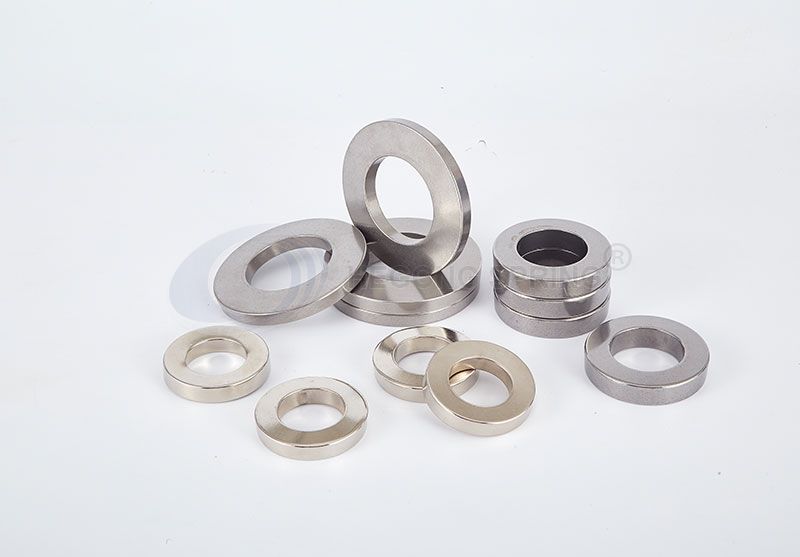
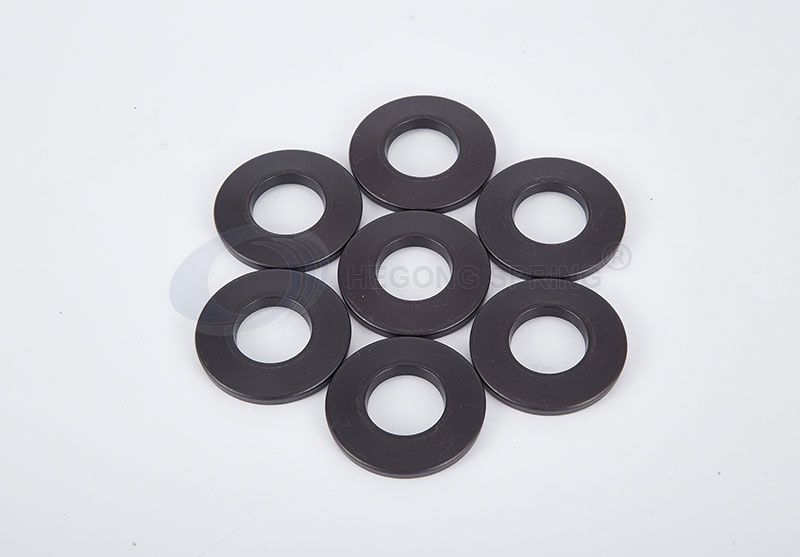
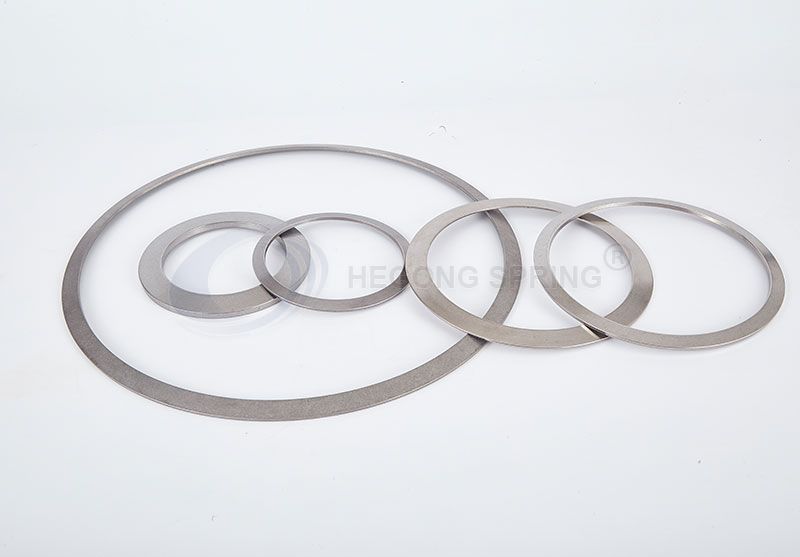
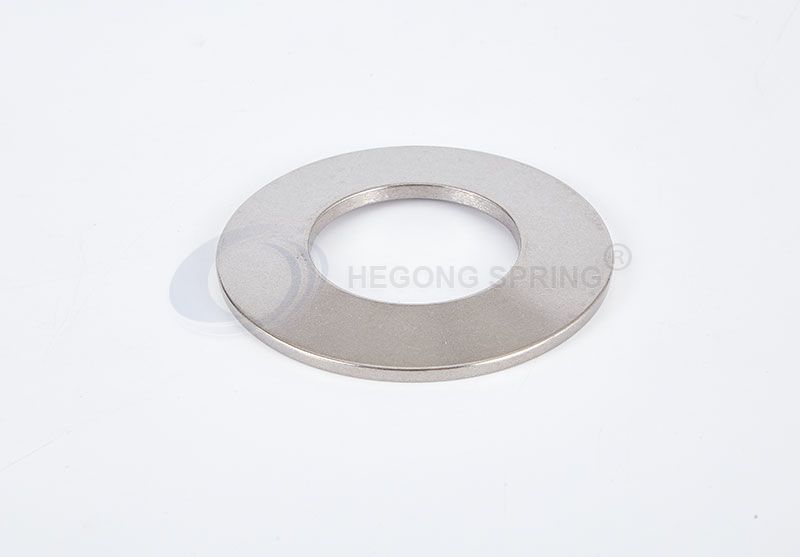
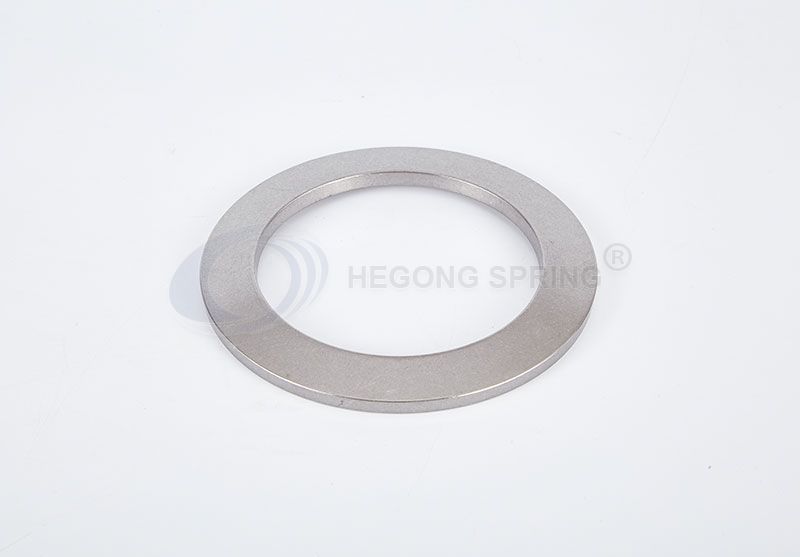
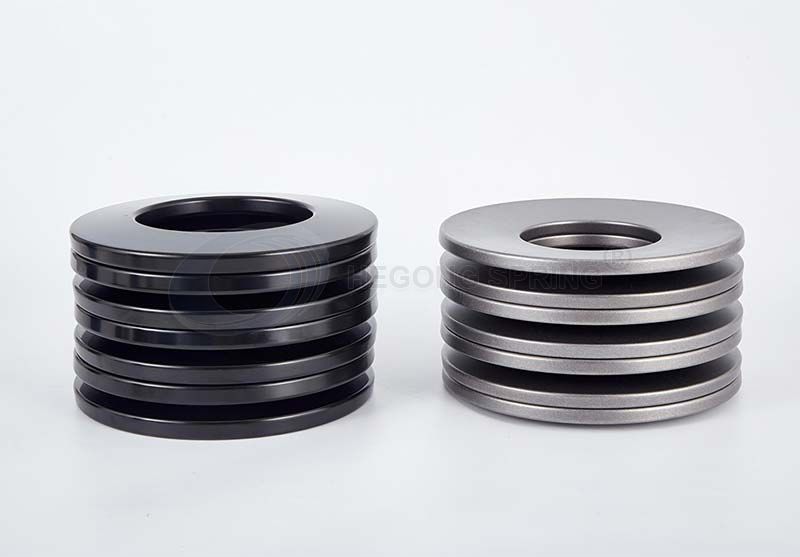
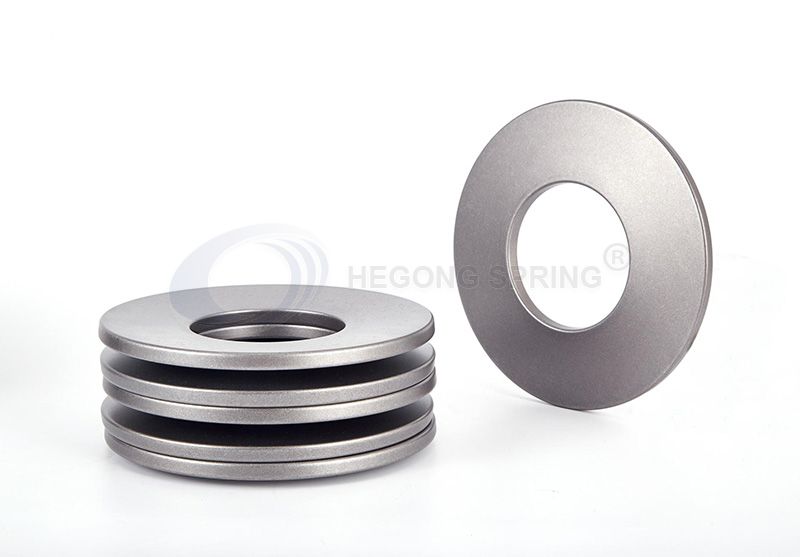
Belleville washers for electrical connections help maintain clamping force in bolted joints exposed to thermal cycling, vibration and material relaxation. Their conical spring shape allows the washer to deflect as joint dimensions change, helping maintain preload between conductors and fasteners.
HEGONG supplies standard and custom Belleville washers for busbars, electrical equipment and other bolted electrical connections where stable clamping force is required.

Bolted electrical joints often combine materials such as copper, aluminum and steel. These materials expand and contract at different rates as electrical load and temperature change.
Repeated heating and cooling can contribute to:
Differential thermal expansion
Loss of bolt preload
Material creep and relaxation
Reduced contact pressure
Increased electrical resistance
Vibration-related joint movement
As contact pressure decreases, resistance at the joint can increase and generate additional heat. Maintaining sufficient preload is therefore an important part of reliable bolted electrical connection design.
A Belleville washer acts as a spring within the bolted joint.
When the bolt is tightened, the washer deflects and generates an axial spring force. If the connected components expand, contract or relax during operation, the washer can accommodate limited movement while continuing to apply clamping force.
This makes Belleville washers useful for electrical assemblies requiring:
Stable bolt preload
Compensation for thermal cycling
Controlled axial flexibility
Vibration resistance
Compensation for joint relaxation
Compact installation around bolts
Unlike a flat washer, a Belleville washer is designed to provide an elastic spring response rather than simply distribute the bolt load.
Belleville spring washers can be considered for a range of bolted electrical assemblies, including:
Copper and aluminum busbar joints are exposed to changing electrical loads and temperatures. Belleville washers can help maintain contact pressure as the joint experiences thermal expansion and contraction.
Bolted conductor and terminal connections may experience repeated thermal cycles during equipment operation. Maintaining preload helps support stable mechanical contact.
Electrical utility connections can be exposed to temperature changes, vibration and long service periods. Spring washers provide additional elasticity within the bolted joint.
Belleville washers can be used where bolted terminals require controlled clamping force despite dimensional changes or material relaxation.
Bolted electrical connections in battery, energy storage and other power systems may also require stable contact pressure where thermal cycling is present.
The correct washer design depends on the actual conductor material, fastener size, required clamp load and operating conditions.
Copper, aluminum and steel have different thermal expansion characteristics.
In a bolted joint containing dissimilar materials, temperature changes can alter the relationship between bolt length and joint thickness. Aluminum components may also be more susceptible to embedding and creep under sustained pressure.
A properly selected Belleville washer adds elasticity to the joint, helping compensate for these dimensional changes.
However, the washer cannot correct poor joint preparation or improper tightening. Reliable electrical connections still require:
Clean mating surfaces
Correct conductor preparation
Suitable fasteners
Correct washer orientation
Controlled installation torque
Appropriate material and surface finish
Washer selection should be based on the complete bolted-joint design rather than bolt diameter alone.
Important parameters include:
| Selection Parameter | Information Required |
|---|---|
| Bolt size | Fastener diameter and grade |
| Required preload | Target clamping force |
| Conductor material | Copper, aluminum or other material |
| Washer OD and ID | Available installation dimensions |
| Working deflection | Required spring movement |
| Operating temperature | Normal and maximum conditions |
| Electrical load cycle | Frequency of heating and cooling |
| Surface environment | Indoor, outdoor or corrosive exposure |
| Quantity | Prototype, maintenance or production requirement |
For heavy-duty static bolted connections, you can also review our DIN 6796 Belleville washers and compare their dimensions and load data with your application requirements.
Material and finish should be selected according to mechanical load, corrosion exposure and operating environment.
HEGONG provides technical information for spring materials and surface protection to support application evaluation.
See our material selection guide for additional information.
For electrical applications, material and coating compatibility should be evaluated together with the conductor, fastener and environmental conditions.
Correct installation is as important as washer selection.
When using Belleville washers in an electrical bolted connection:
Follow the specified washer orientation
Use the recommended tightening procedure
Avoid excessive flattening unless specified by the design
Confirm that washer dimensions properly support the joint
Do not rely on the washer to compensate for poor contact surfaces
Inspect critical joints after commissioning or thermal cycling where required
The required installation method should always follow the equipment and joint design requirements.
Standard Belleville washers are suitable when existing dimensions and load characteristics match the required bolt and joint design.
A custom solution may be required when the application involves:
Non-standard bolt sizes
Restricted installation space
Special preload requirements
High thermal cycling
Corrosive environments
Special materials or coatings
HEGONG can evaluate washer dimensions, spring force and material according to the electrical connection requirements.
For faster selection or quotation, provide:
Bolt size
Conductor materials
Available washer OD and ID
Required clamp load
Installation height
Operating temperature
Electrical application
Working environment
Quantity
Drawing or joint diagram, if available
HEGONG supplies Belleville washers for industrial bolted joints and supports standard and custom requirements.
Send us your bolt size, conductor materials, required preload, installation dimensions and operating conditions so our team can evaluate a suitable washer solution.